Veteran Owned Business Roundtable and General Motors’ Supplier Connections Host Joint PTSD Awareness Discussion Panel
“Veteran’s Month” has come and gone until next year, so it’s perfect timing for the veteran-focused VOBRT to educate corporate HR and diversity officers on the symptoms of PTSD and the ways they can support veterans and veteran-owned businesses.
READ MORE
RSVP TO ATTEND OUR PHASE 2 EVENT
“I do think there’s an inclination by many retiring service members to not seek help.”
Global Chief Diversity Officer
Captain, U.S. Navy (Ret.)
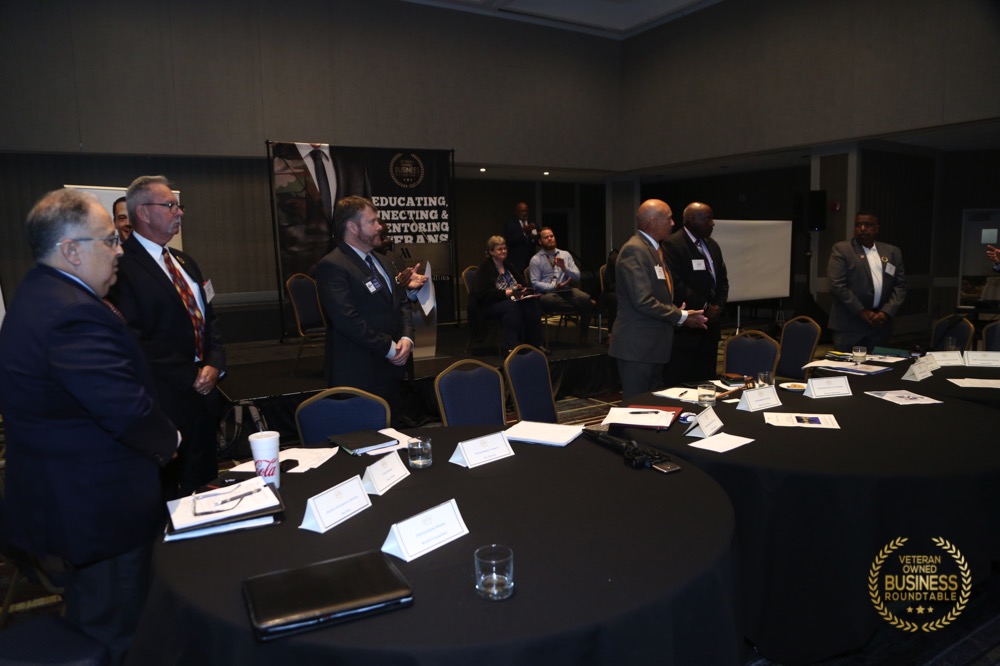
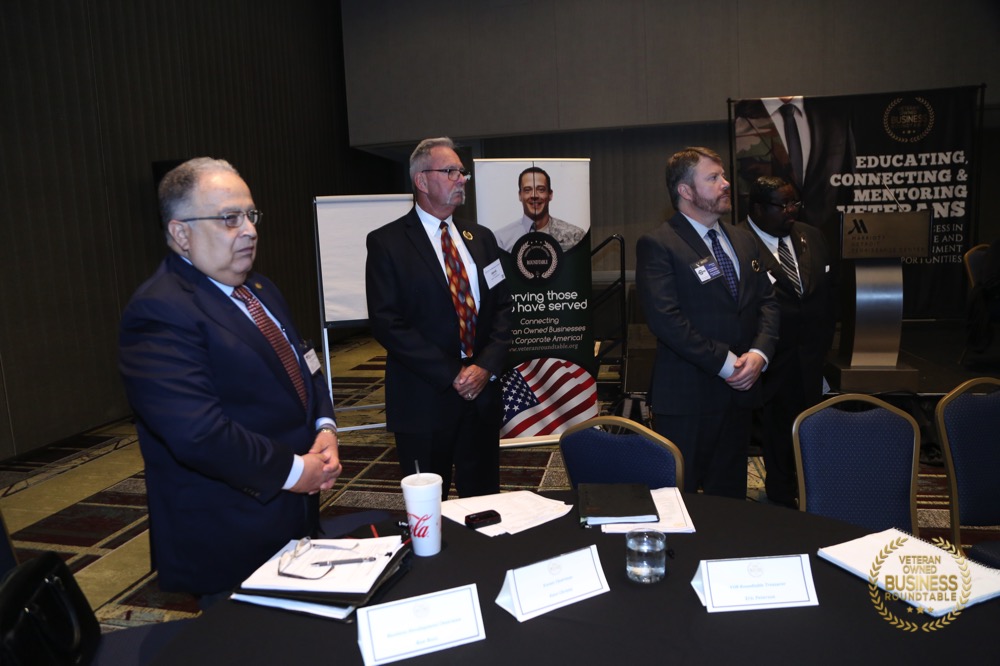
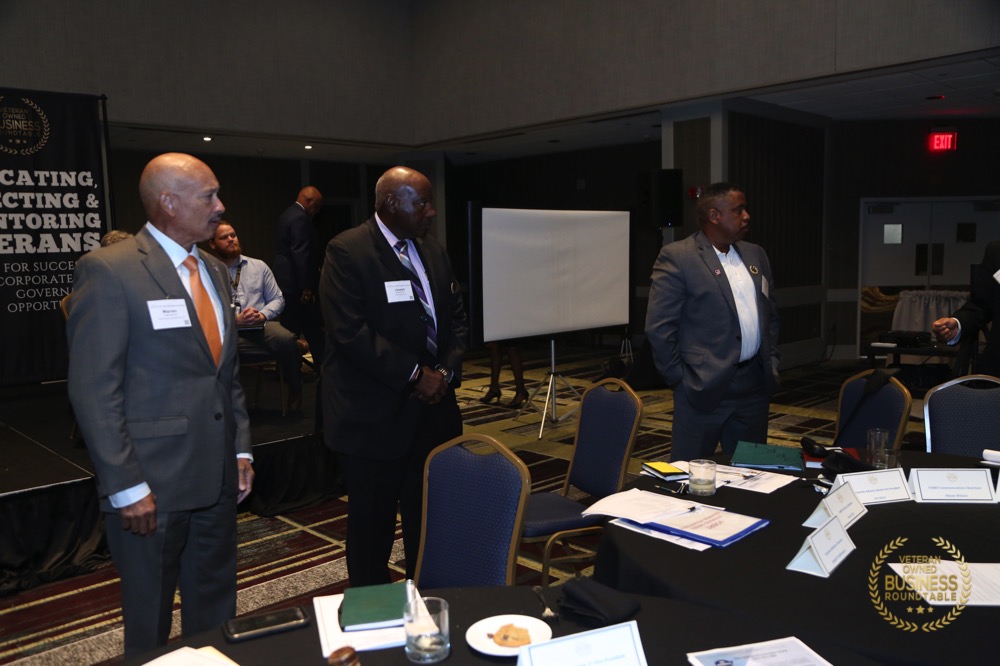
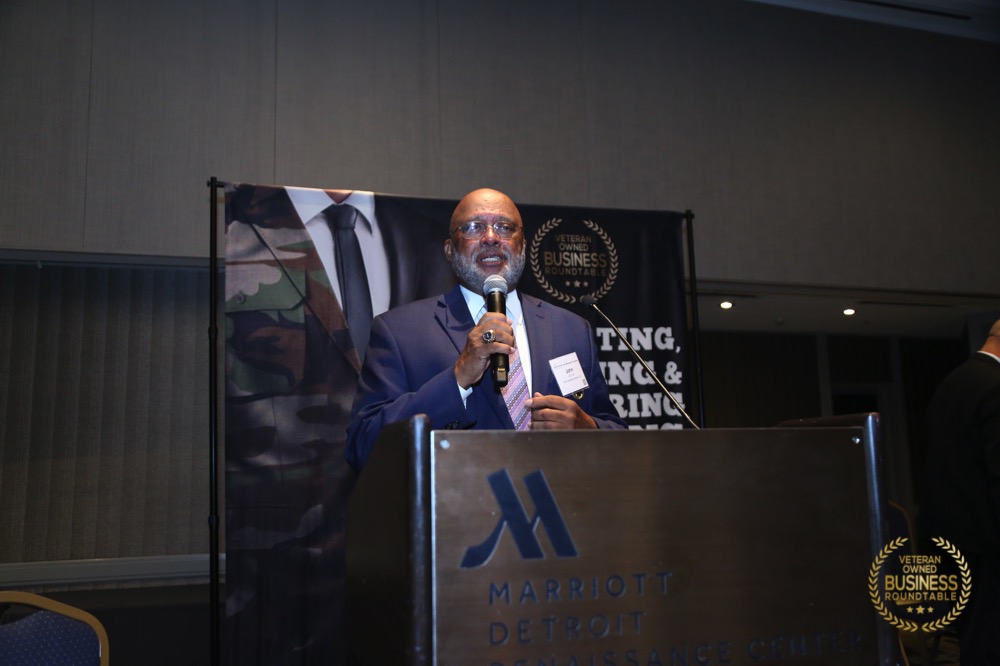
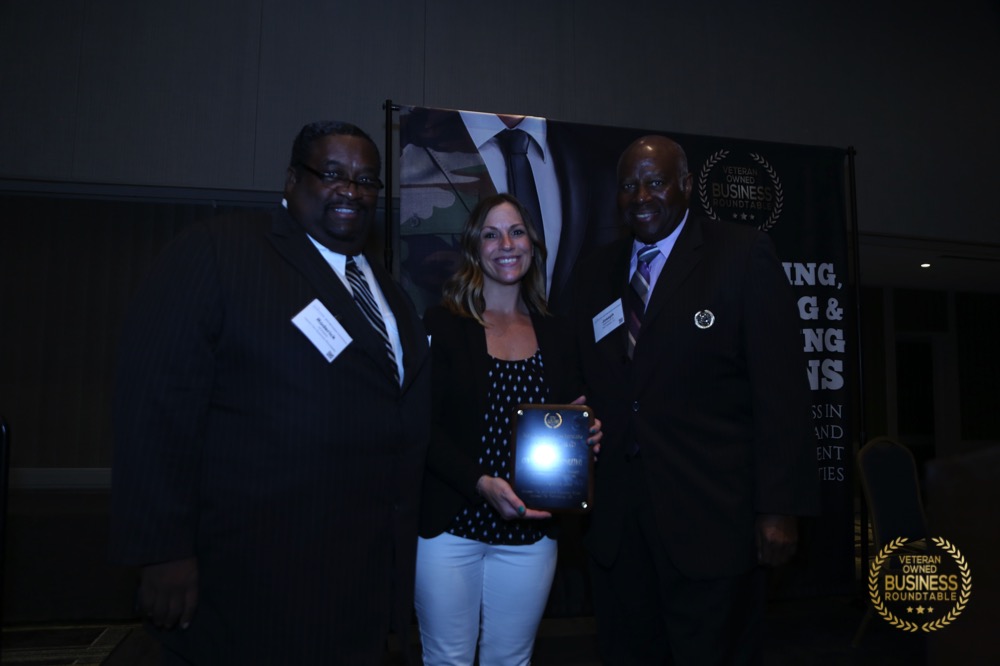
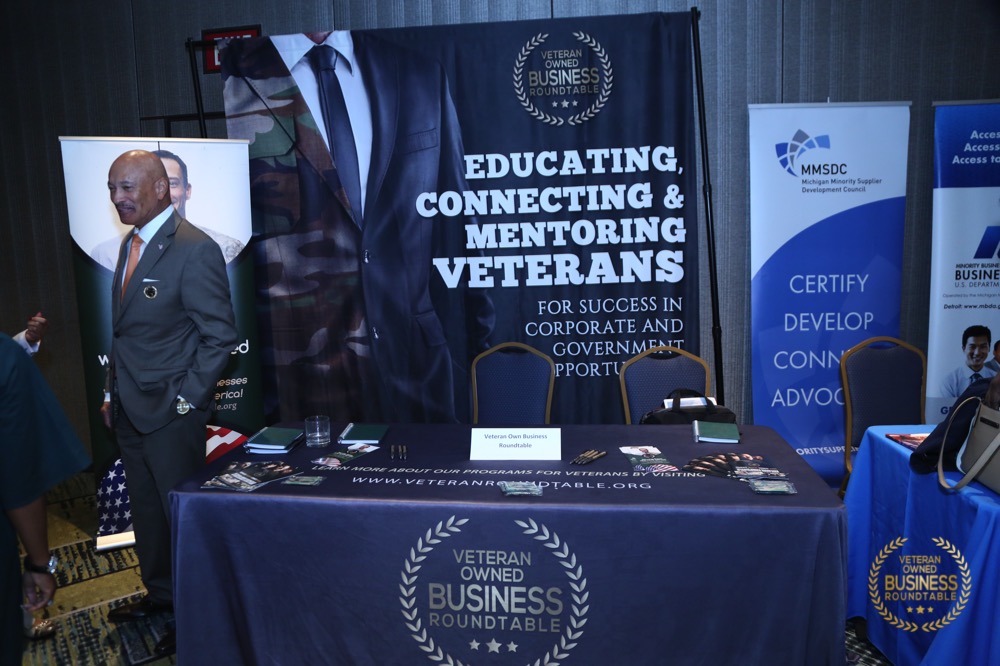
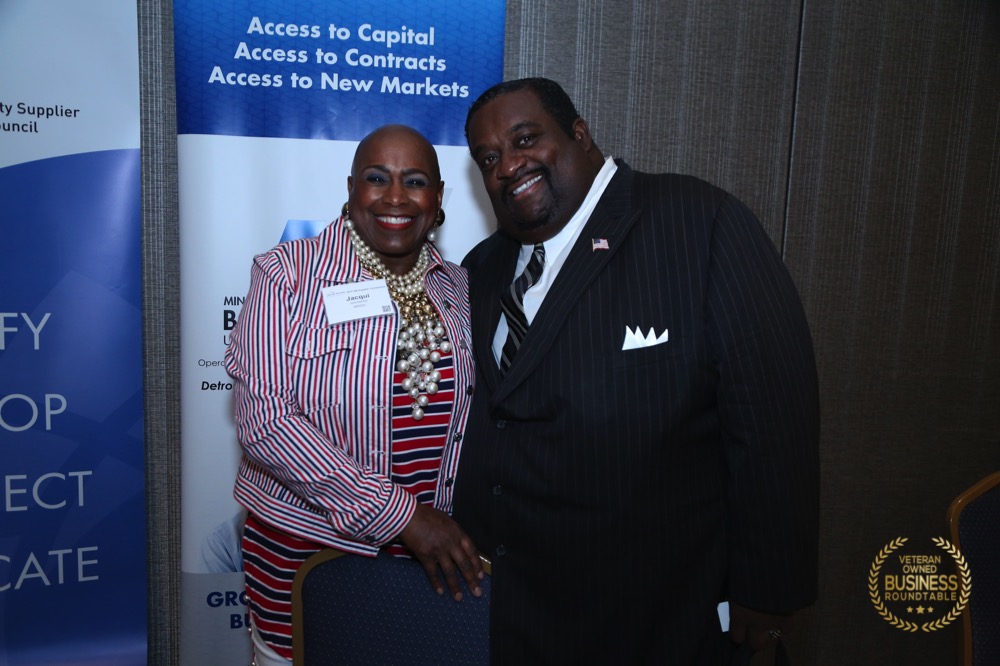
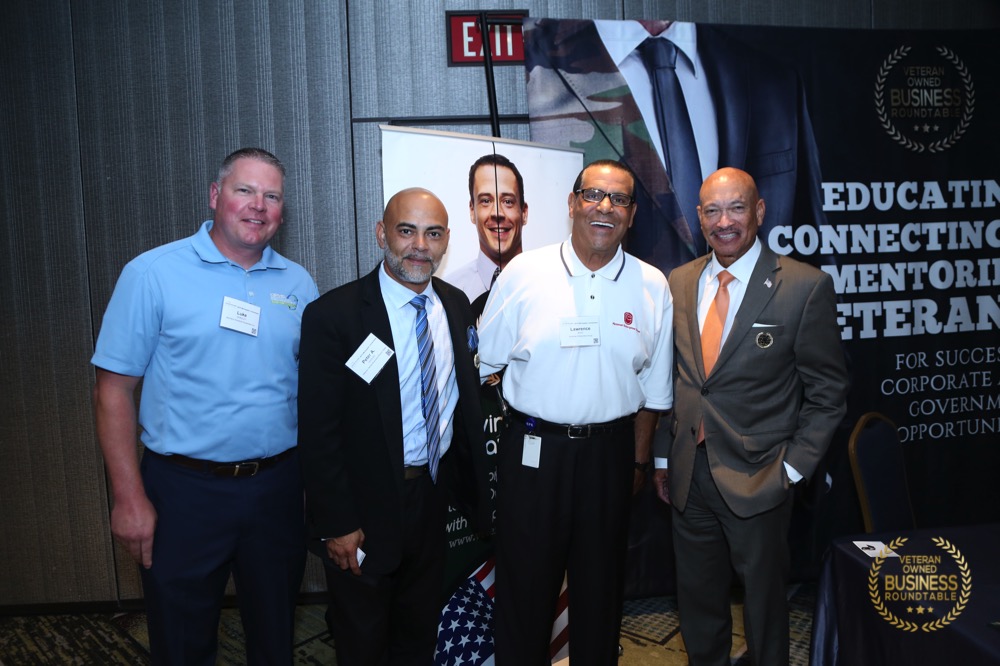
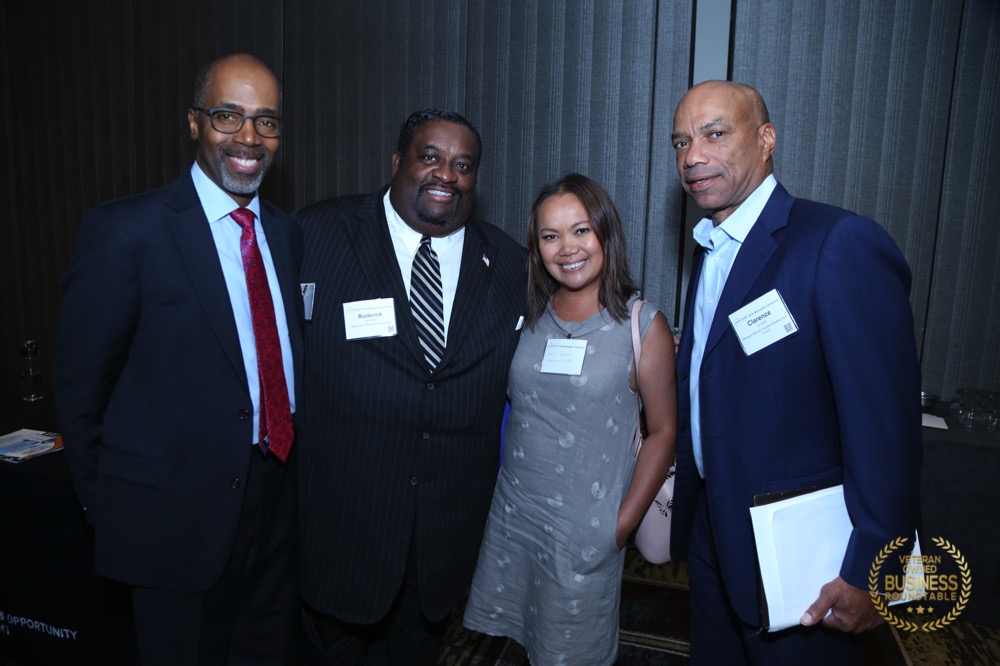
The 10th Annual GM Supplier Connections Matchmaker event took place on August 22, 2019 at the Detroit Marriott at the Renaissance Center.
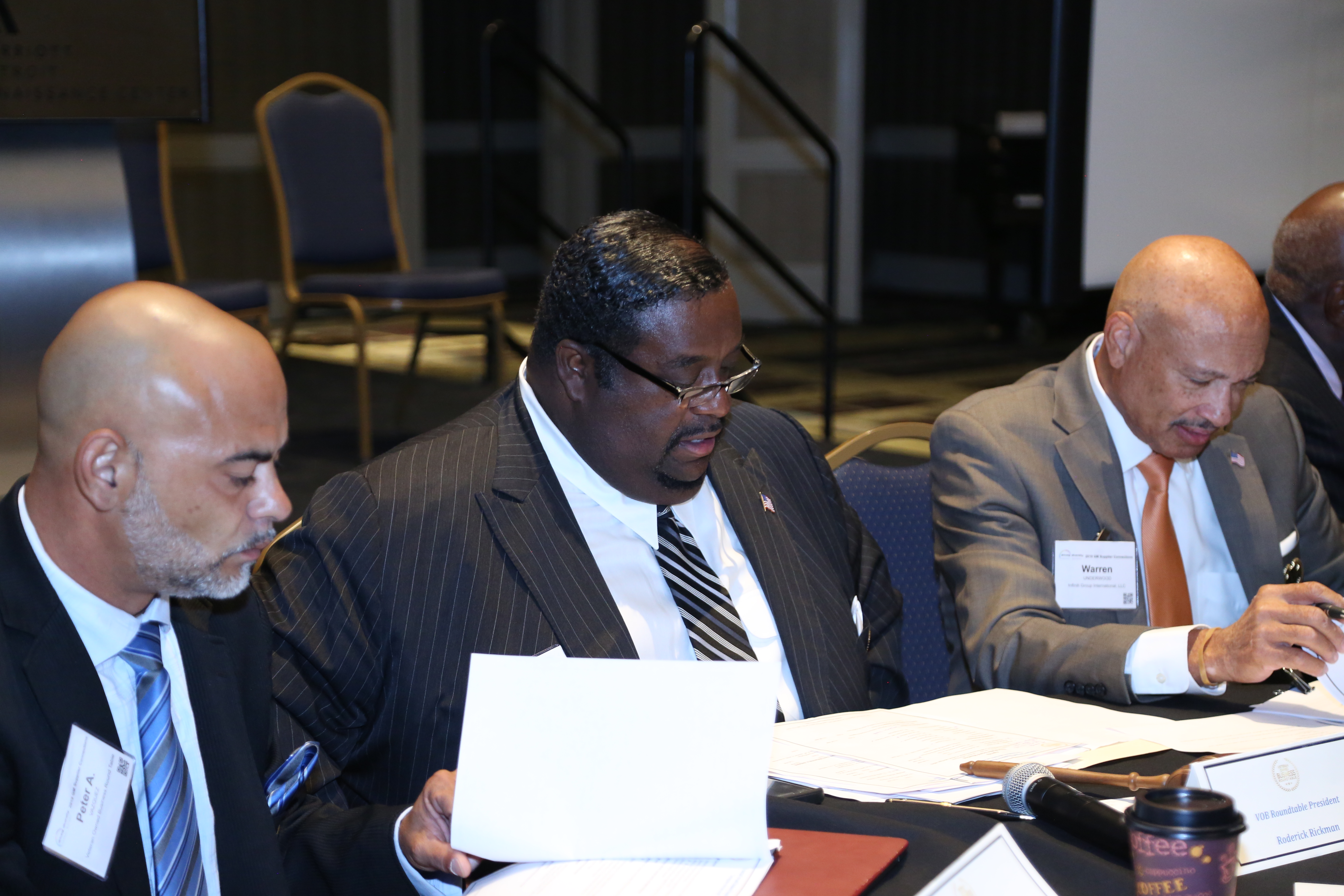
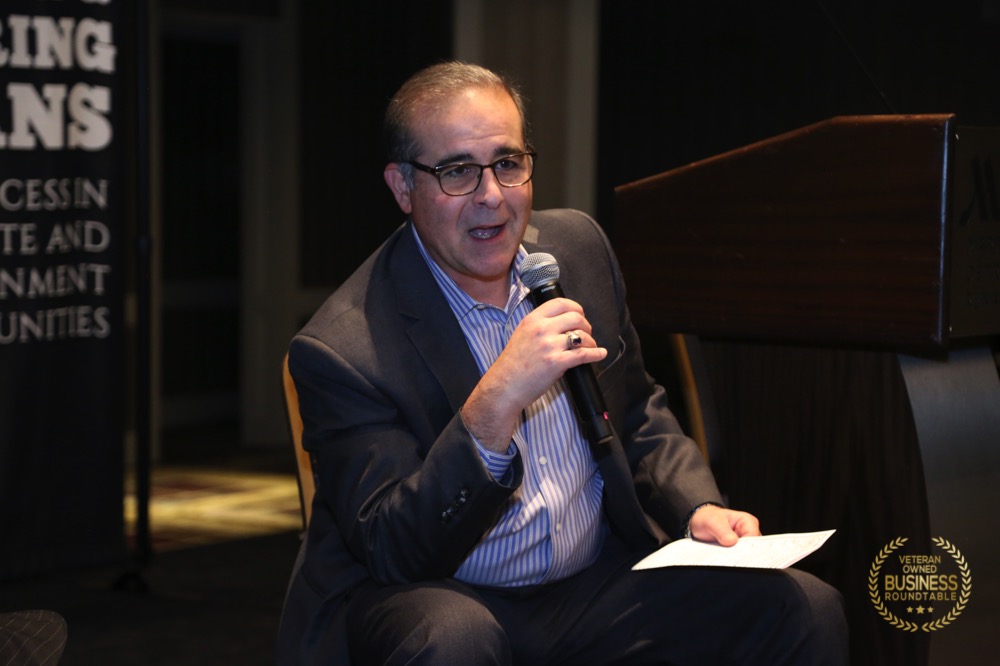
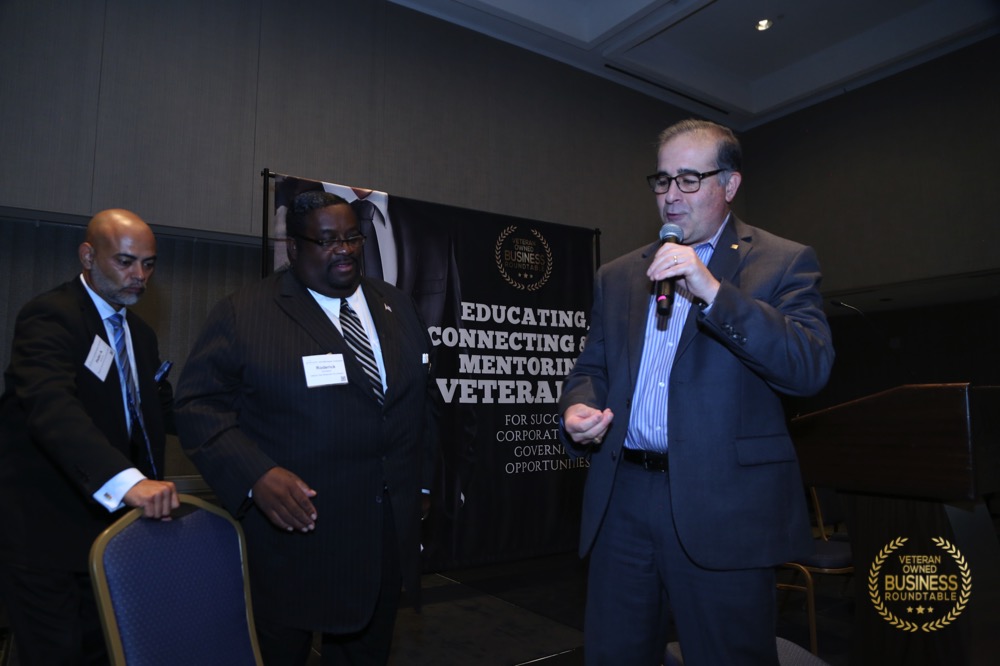
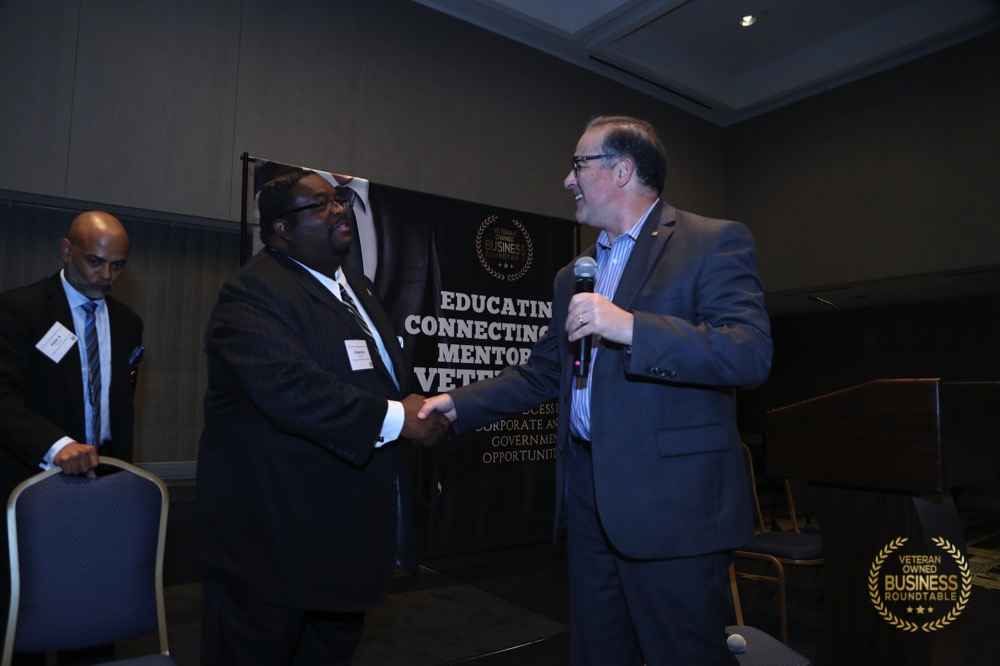
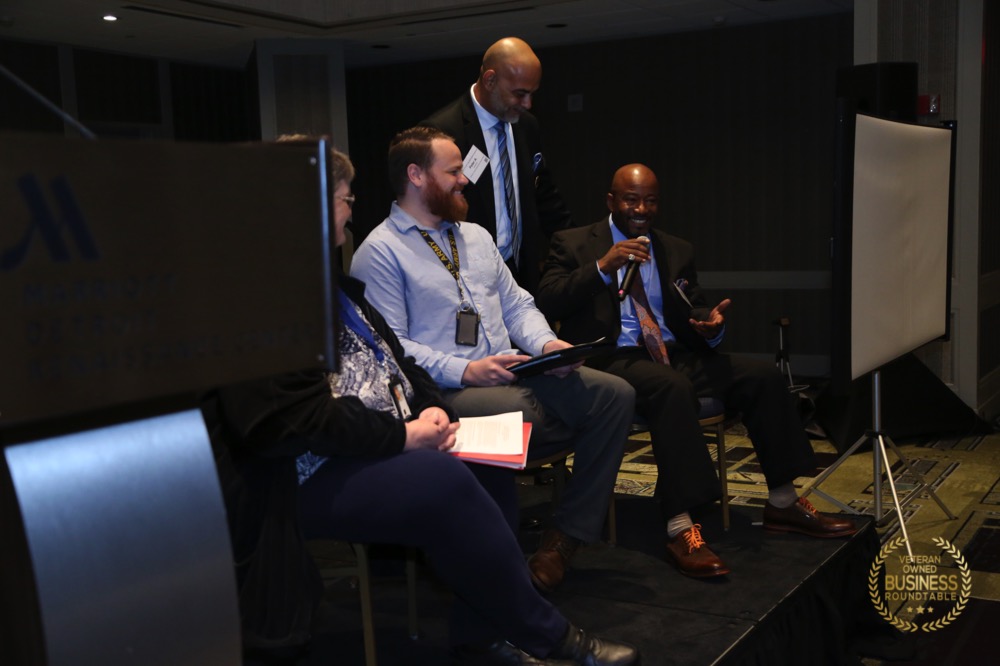
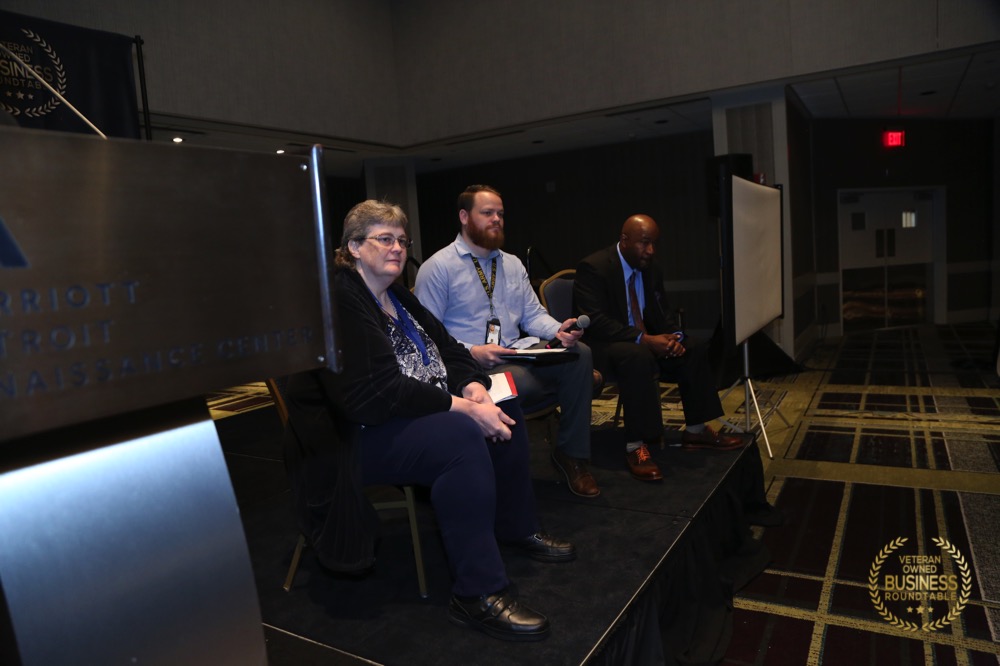
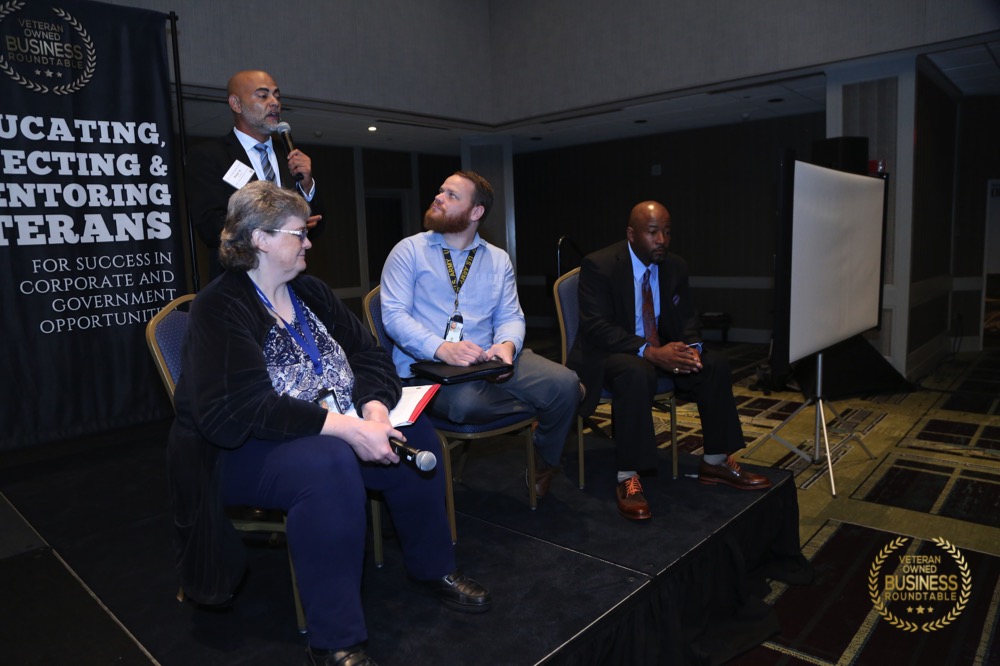
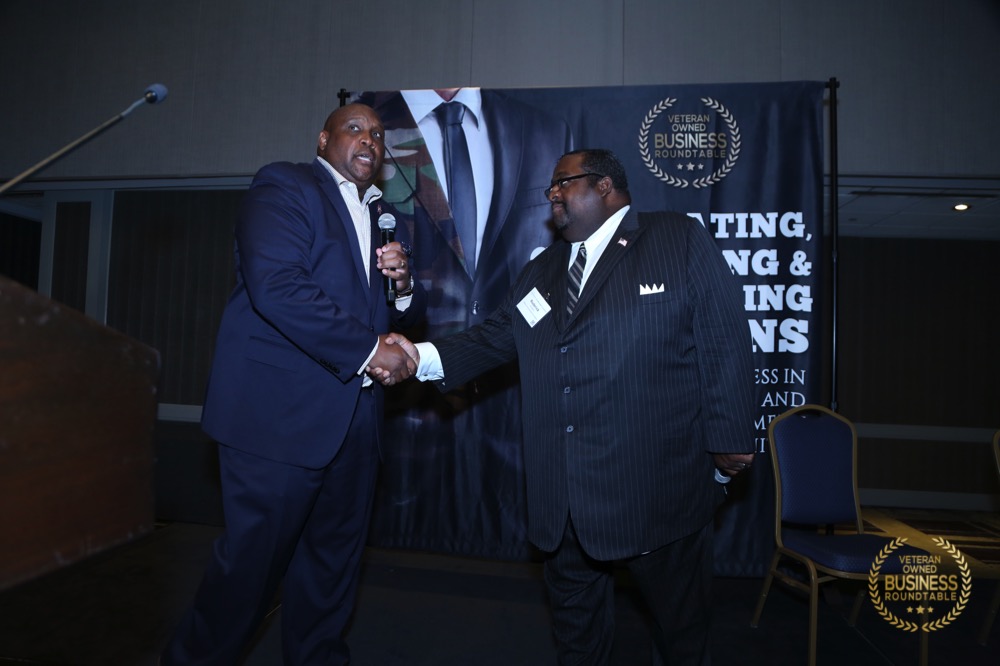
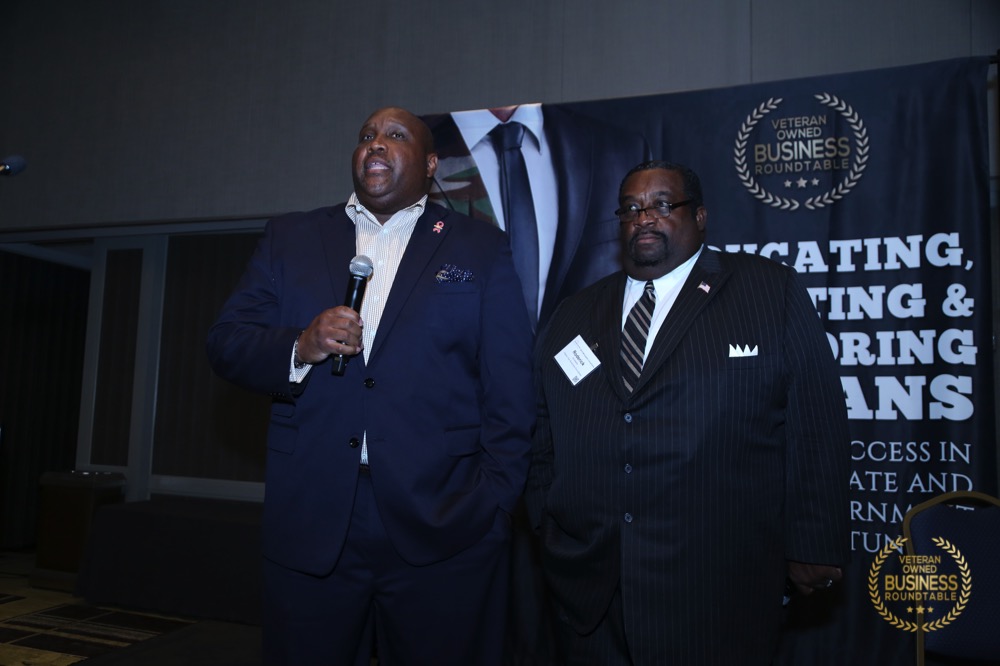
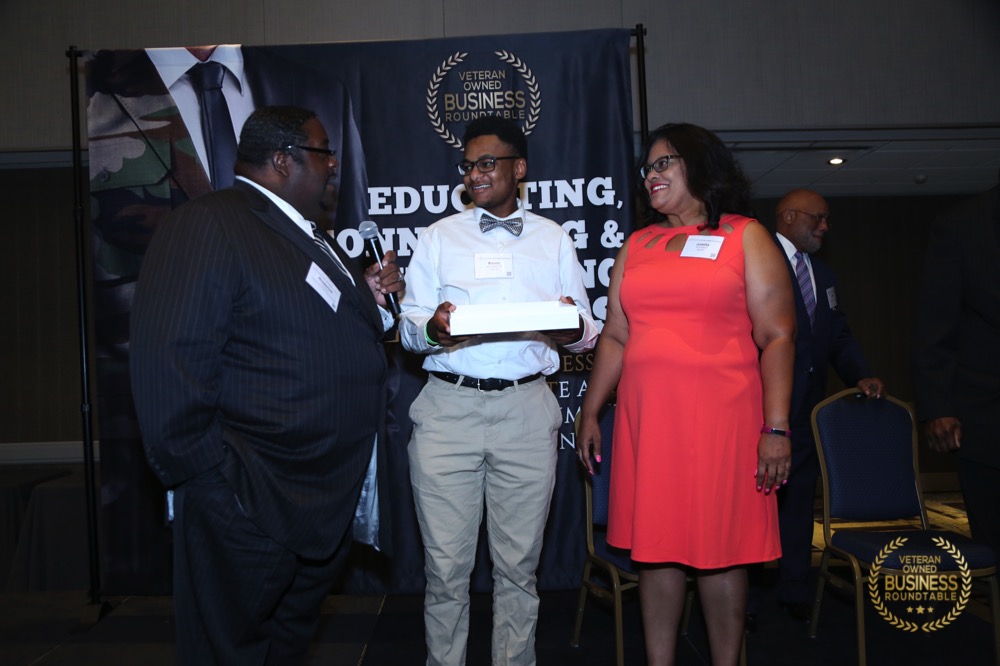
As part of the event, the Veteran Owned Business Roundtable (VOBRT) held an invite-only board meeting that included a fireside chat with General Motors’ Global Chief Diversity Officer, Kenneth Barrett and the VOBRT’s President, Roderick Rickman, as well as, a discussion panel moderated by the VOBRT’s Executive Director, Peter Vazquez.

The chat and discussion panel were designed to complement each other. They addressed three key issues:
- The importance of informing and sharing ideas about current employee resource groups and diversity programs
- Educating the public on Post Traumatic Stress Disorder in veterans
- Highlighting what private corporations are now doing, and can do moving forward, to support veterans and veteran-owned businesses.
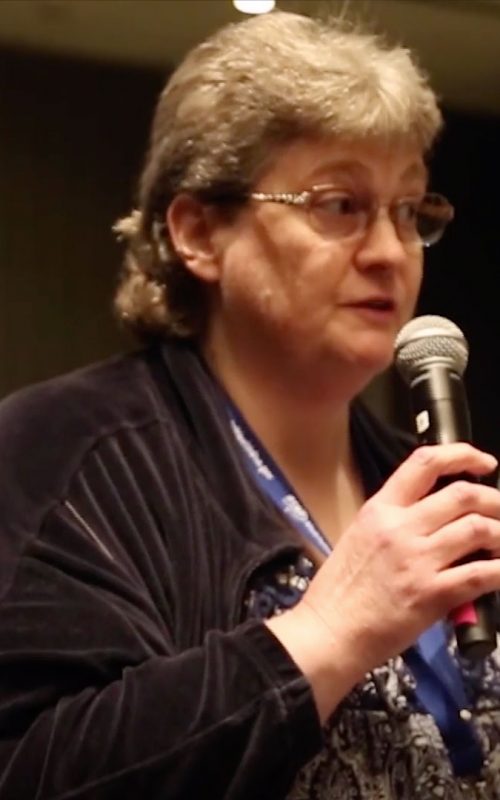
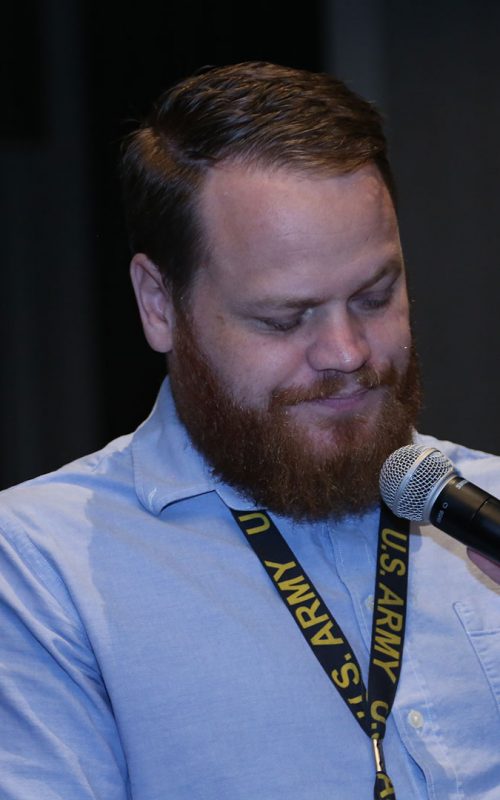
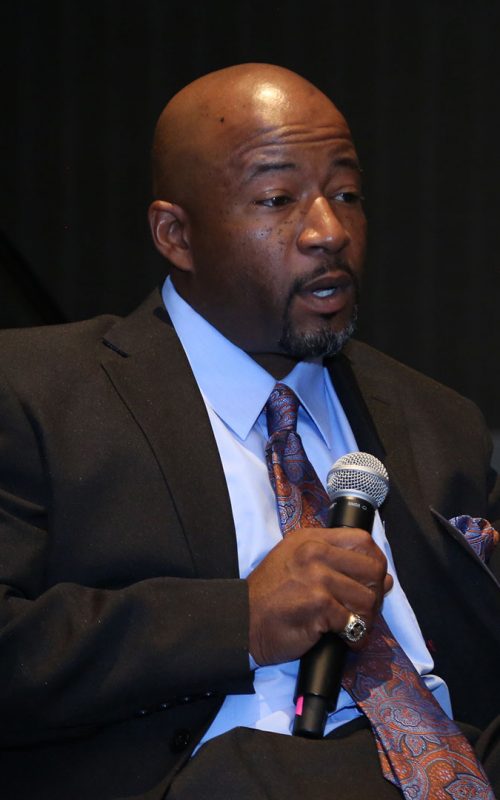
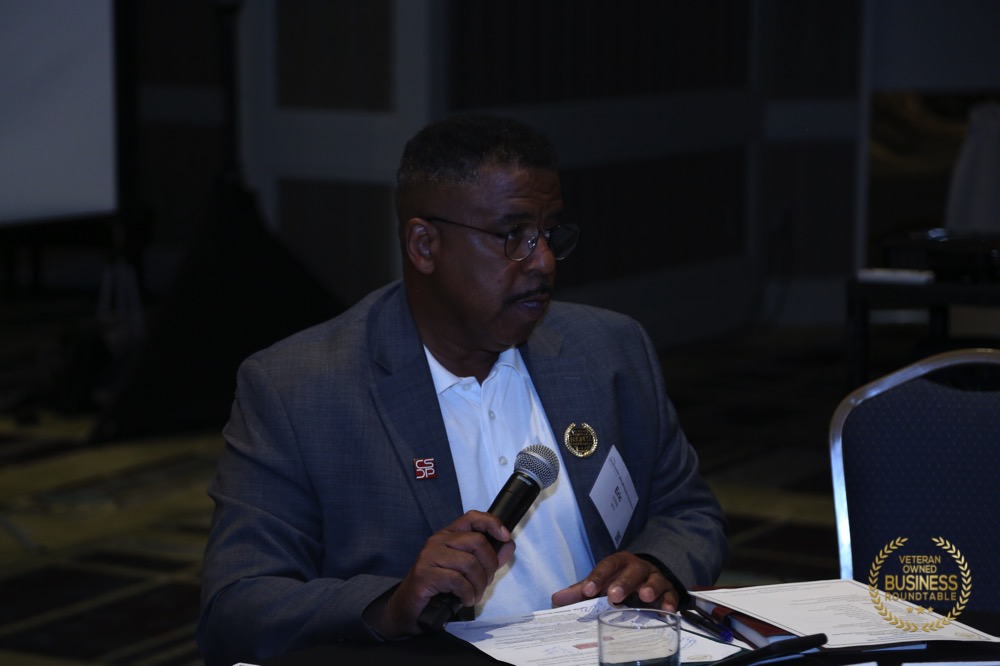
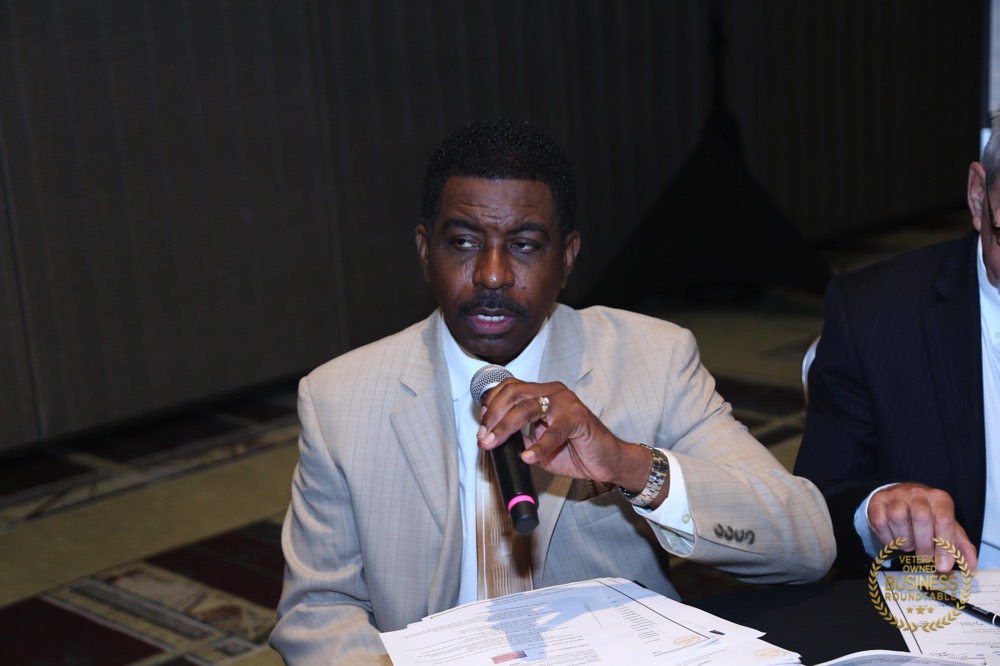
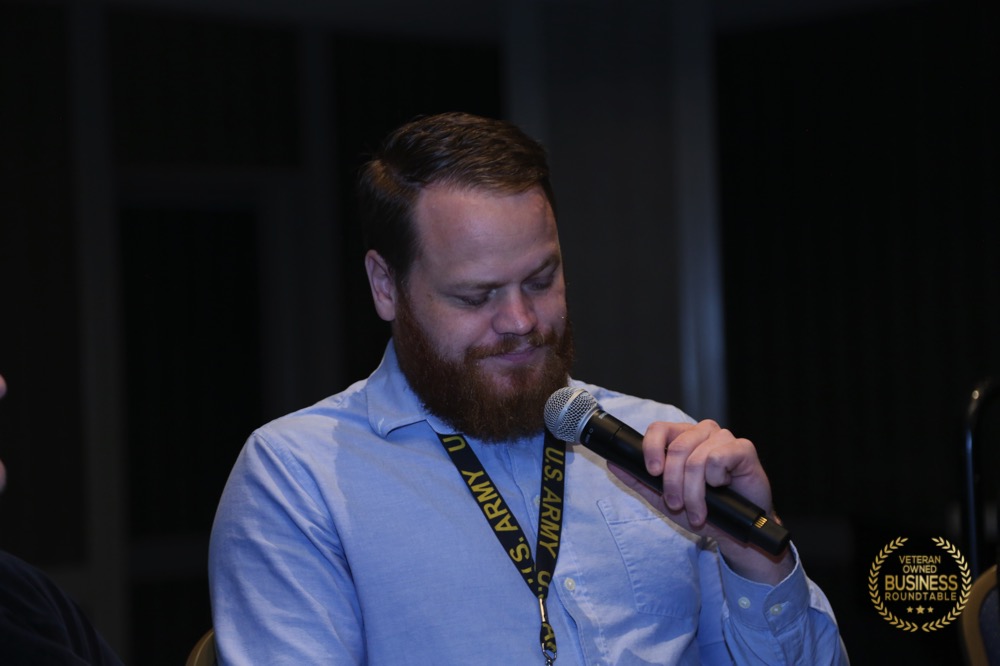
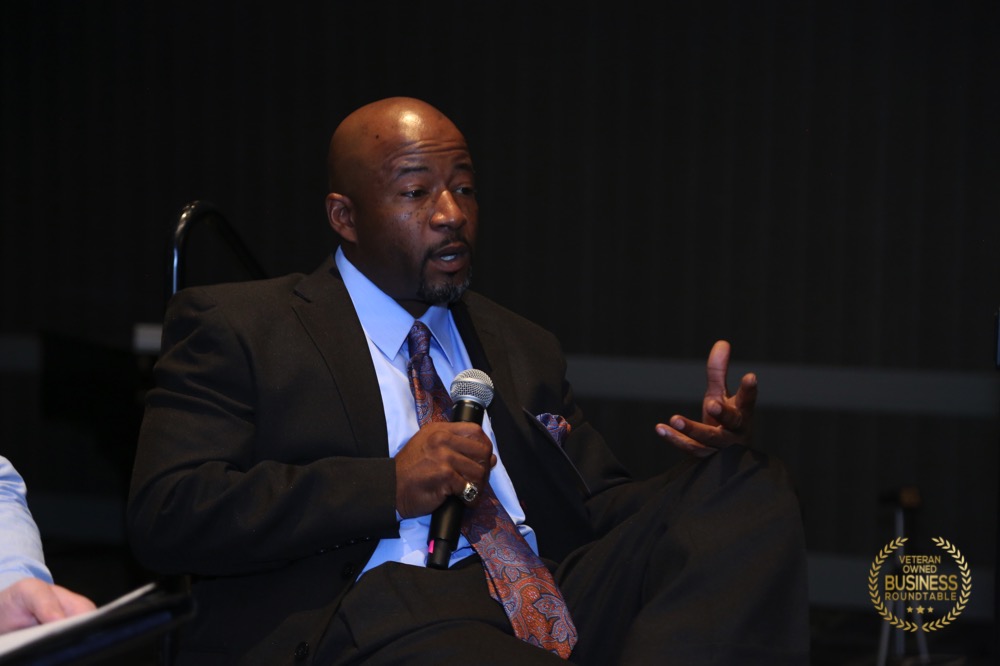
Panelists included Joshua Mathis, Director at the Macomb County Vet Center, Dr. Michelle Sharp, PhD, Psychologist, Coordinator of the PTSD Program at John D. Dingell VA Medical Center in Detroit, Michigan and Navy veteran DeShawn Wilson, a Service-Disabled Veteran and business owner.
DISCUSSION PANELISTS
Click the image to play the video
https://youtu.be/YvFwJqN9mGk
Dr. Michelle Sharp
Psychologist,
PTSD Program Coordinator
Joshua Mathis
Director,
Macomb County Veteran Center
DeShawn Wilson
Duke Investments, LLC,
21 year Navy Veteran
Phase 1 – Creating Awareness
The VOBRT is conducting a 3 – part series of events, in which supplier diversity and human resources professionals from varied corporations can learn more on developing and/or improving their existing Employee Resource Groups for Veterans. This event hosted by GM introduced Phase 1—Awareness in which the panel discussed the symptoms of PTSD, learned about resources currently available to help veterans who deal with PTSD, and heard first-hand what it’s like to cope with PTSD as well as its impact on a veteran’s family.
As Dr. Michelle Sharp so clearly put it, “PTSD can come from a number of different life experiences,” but it’s important to know that “not all life experiences result in PTSD.” In other words, there may be other mental health difficulties a person is dealing with. She also emphasized how some techniques used to treat PTSD have a high success rate.
Assisting Veterans To Seek Help
Although recent studies found a suicide rate among all veterans to be at a decreased rate of about 30 per 100,000 population per year, that’s still more than double the civilian rate of 14 per 100,000. And, sadly, the rate for young veterans as dramatically increased. The VOBRT is dedicated to finding and sharing ways to minimize these numbers through corporate awareness and education.
Retired 21-year Navy veteran DeShawn Wilson deals with PTSD and shared how tough-and scary-it can be for veterans to transition back into civilian life. He considers himself one of the lucky ones because he sought the help he needed from the VA Hospital. But he knows many veterans struggle to admit they need help, let alone, seek it out.
Kenneth Barret, GM’s first official global chief diversity officer, seconded that assessment. As a retired U.S. Navy captain himself, he fully understands the challenges faced by veterans who leave the military and try to make a smooth transition to civilian life. “I do think there’s an inclination by many retiring service members to not seek help,” he said, pointing to a residual fear of losing access to many opportunities if admitting to a possible psychological issue.
Planning for Phase 2
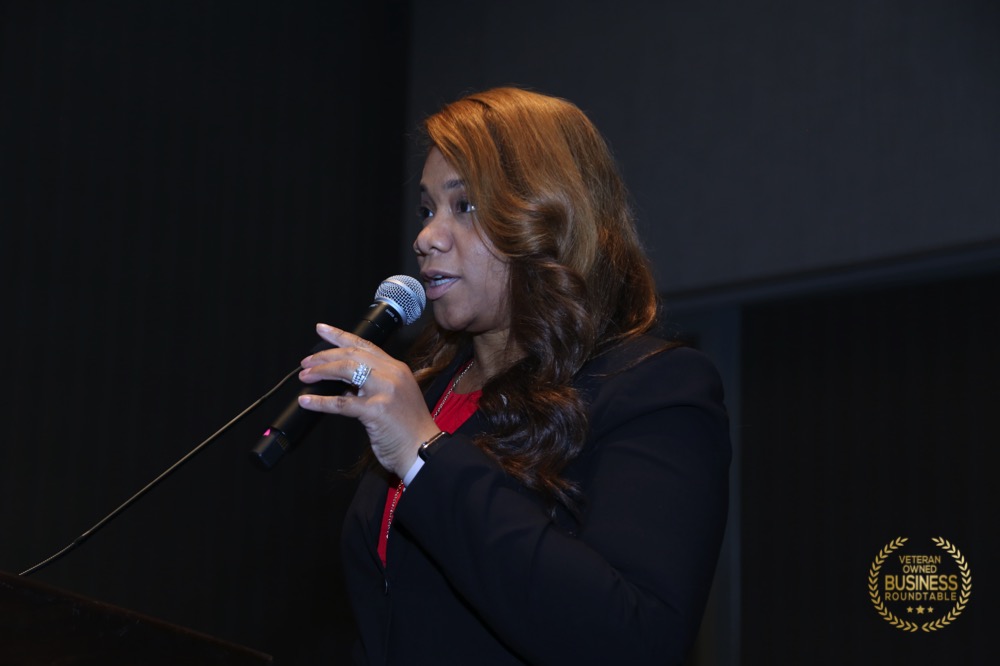
Joining the chorus of calls for making PTSD a bigger part of the national dialogue while mitigating the shame many veterans feel was invited guest Zaneta Adams who was recently appointed to lead Michigan’s Veterans Affairs Agency as their new Director. Partially paralyzed while training for an Iraq deployment, Adams, too, understands all too well the mental issues like depression and anxiety returning veterans struggle with. She intends to use her new role to make sure those who served their country are served in return.
Reserve Your Spot to Attend Our PHASE 2 PTSD Awareness Event!!
PHOTO GALLERY
Click on the image to view.
- Zaneta Adams, Director, Michigan’s Veterans Affairs Agency
Media Contact:
Peter Vazquez
Executive Director
Veteran Owned Business Roundtable
Headquarters:
7205 Sterling Ponds Court, Sterling Heights, MI 48312
Phone:
586-722-1557 ext#5